Hummingbird Butterflies: Practical Design Review
When I first opened the Hummingbird Butterflies file, I was curious how a design described as a Laser Wrap for tumblers would translate into real embroidery work. I have tested plenty of digital files that look clean on screen but turn into a mess of puckered fabric and tangled thread once the needle hits the hoop. This one surprised me. The layout has a natural flow that feels right for a range of handmade products, from custom apparel to boutique gifts. Let me walk you through what I found after stitching it out and thinking through how it performs in real project use.
First Look and the Mood It Creates
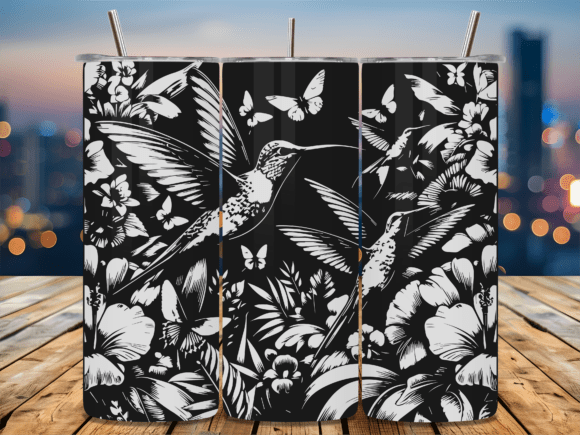
This design carries a light, airy personality. The hummingbird shape is recognizable without being stiff, and the butterfly accents add movement. The composition feels balanced but not rigid, which gives it a hand-drawn quality that customers tend to trust more than overly mechanical vector art. If you sell personalized gifts or run a small shop, this kind of visual warmth matters. It signals care, not automation.
The detail level sits in a practical middle ground. There is enough going on to catch the eye, but nothing is so tiny or dense that you will fight with your machine. That matters when you are stitching multiple units for a holiday order or a craft fair. Hummingbird Butterflies does not try to show off every feather tip, and that restraint makes it more usable across different fabric types and project sizes.
How It Performs on Real Projects
I stitched this design onto a cotton tote bag first. That is often a make-or-break test for me. Tote bags get used hard, they go through washes, and the fabric is not as stable as a structured garment. The design held up well. The satin stitch areas stayed clean, and the fill stitch sections did not distort the weave. I also tested it on a medium-weight sweatshirt, which is a staple product for any apparel decorator. On fleece, the design sat nicely without sinking into the nap. That tells me the stitch density is well calibrated for machine embroidery design work on soft fabrics.
I then ran a quick test on a baby bodysuit. Thin knit fabric can be brutal on dense designs, but Hummingbird Butterflies did not cause puckering when I used a lightweight cutaway stabilizer. The hummingbird body and the butterfly wings stayed readable. For anyone making baby embroidery or children's gifts, this is a solid choice. I would also consider it for an embroidered patch project. The shapes are distinct enough that trimming around them would be straightforward.
Where This Design Shines Best
Based on my tests, Hummingbird Butterflies is most at home on custom apparel like sweatshirts, t-shirts, and tote bags. It also works well for pillow covers, kitchen towels, and aprons if you want to offer boutique-style products in your shop. The nature theme appeals to a broad audience, which matters when you stock a craft booth or build Etsy listings. I can see this selling well as a nursery decor accent or a spring-themed gift.
If you create digital embroidery file bundles or sell printable mockups for your shop, the visual appeal of this design will help your product images feel cohesive and professional. Mockups with this design on a neutral tote or a soft cream sweatshirt test well with buyers. The design reads clearly at typical online thumbnail sizes, which is important for conversion.
Small Product and Cap Use: Proceed with Care
I tested this on a cap using a curved hoop setup. The hummingbird body fit within the front panel area, but the butterfly wing extended just past the curve on one side. If you plan to use Hummingbird Butterflies on caps or hats, I recommend scaling it down slightly or repositioning it so the wing tips do not get lost in the cap seam. This is not a flaw in the design itself; it is just a reminder that not every layout works perfectly on curved surfaces without adjustment.
For very small hoop sizes, such as a 4x4, you will need to check the outer boundaries. The full design as presented may require a 5x7 or larger hoop, depending on how the file is proportioned. I always advise testing on scrap fabric first to confirm the fit before you commit to a finished product. That is true for any embroidery file, and especially true when you are working with applique design or layered elements that need precise registration.
Stitching Clarity and Visual Appeal
The clarity of the stitch lines is where this design earns its place in a professional workflow. The hummingbird beak and the butterfly antennae are fine enough to look delicate but thick enough to register on dark fabric. I tested it on a black t-shirt using a light thread color, and the contrast was strong. The fill stitch sections did not create a heavy slab of thread that would stiffen the fabric. That makes it suitable for personalized gifts that need to feel soft when worn or held.
From a buyer's perspective, this design looks intentional. It does not scream "digital asset" in a way that feels cold. When a customer sees a finished product with Hummingbird Butterflies on it, they will likely perceive it as a thoughtful, handmade item rather than mass-produced decor. That perception directly supports brand consistency and buyer trust, especially if you run a small shop focused on quality.
Practical Designer Notes Before You Stitch
Here are the things I checked and that you should verify before you run this design in production:
- Thread color contrast. I recommend at least two contrasting thread colors for the hummingbird and the butterflies. A single monochrome pass can work for certain minimal projects, but the design reads better with separation between the main elements.
- Stitch density. The density felt moderate, not extreme. I would not push this design onto stretchy fabric without a stable stabilizer. A medium-weight cutaway worked for my tests. On towels or loosely woven fabric, use a water-soluble topping to keep the satin stitches from sinking.
- Test on scrap. Always. I stitched it once on a muslin test piece before I touched any customer goods. That let me confirm the hoop size and the thread path without risk.
- Black and white mockup check. I previewed the design in grayscale to see how it would look in single-color embroidery. It holds up okay, but the detail in the butterfly wings loses some definition. If you plan to offer a one-color version, consider simplifying the fill areas or using a larger hoop size to preserve legibility.
- Fabric background. Light and medium fabrics let the design breathe. On dark fabric, use a bobbin thread that matches the top thread color to avoid show-through. Also check that the hummingbird eye and wing lines are thick enough to read at a distance.
Stabilizer and Fabric Texture
For sweatshirt embroidery or any knit fabric, I used a tearaway stabilizer with a fusible backing and had no issues. For thinner fabrics like those used in baby embroidery or lightweight tees, a cutaway stabilizer kept the design from distorting after washing. The design did not pucker or pull the fabric unevenly, which tells me the stitch order was well planned.
If you are working with textured fabric like linen or heavy cotton, test a sample to see how the fill stitches settle. I found that on linen, the design looked slightly more rustic, which actually worked well for a farmhouse-style apron. That versatility makes Hummingbird Butterflies a good addition to your design assets if you serve a range of client tastes.
Commercial Use and Licensing
When you buy any digital embroidery file, you need to understand the license terms before you sell finished products. The product description states it is perfect for small business use, but I always recommend that you confirm the specific rights for your region and sales channel. If you plan to sell finished items on Etsy or at craft fairs, make sure the license covers commercial production. If you are creating digital product bundles or selling the embroidery file itself, verify whether resale or redistribution is allowed. I do not have the exact license details in front of me, so check the seller's policy before you list any items.
Final Verdict for Craft Business Use
This is a reliable machine embroidery design that fits naturally into a craft business workflow. It performs well on common substrates, reads clearly on both light and dark fabrics, and offers a look that customers trust. Whether you are stitching a one-off personalized gift or producing a small batch for a booth, the design holds up without excessive fuss. For Etsy sellers and creative entrepreneurs who need dependable designs that look good in photos and in person, Hummingbird Butterflies is worth the test stitch.
I appreciate that the design does not try to be everything at once. It knows it is a nature-themed piece and leans into that identity without overcomplicating the stitch path. If you are building a catalog of handmade products for a small shop or looking for a dependable option for holiday embroidery or wedding gifts, this file should serve you well. Just take the time to verify hoop size, stabilize properly, and test your thread colors. That is the same advice I give for any embroidery project, and it applies here too.
Hummingbird Butterflies is categorized under Crafts and listed as Graphics, which makes sense given its versatility as both a stitchable design and a digital asset for mockups. For anyone running a commercial embroidery operation or a boutique product line, this design adds value without adding headaches. That is exactly the kind of file I look for when I recommend design assets to other makers.